Skin tags, caused by friction, are common growths treatable with various methods. Bradford Tag Removal naturally, a popular home solution, uses herbal extracts like tea tree and lavender oil to target their root cause. Results vary based on tag size and location, requiring patience. Professional options include surgical excision, cryotherapy, and laser treatments, which, though effective, carry risks. Clinical studies show natural extracts can be as successful as over-the-counter remedies.
Skin tags are a common yet often annoying skin condition affecting many individuals. These small, soft skin growths can appear anywhere on the body but most frequently develop in areas where skin rubs against itself. While harmless, they can cause discomfort and self-consciousness for some people. Thankfully, effective solutions exist to remove these tags safely and comfortably. In this comprehensive guide, we delve into the best products designed for removing skin tags, with a special focus on Bradford Tag Removal as a naturally derived, safe, and efficient option.
- Understanding Skin Tags: Causes and Types
- Topical Solutions for Tag Removal at Home
- Bradford Tag Removal Naturally: Safe and Effective Methods
Understanding Skin Tags: Causes and Types

Skin tags, also known as acrochordons, are small, soft skin growths that typically appear on the neck, armpits, groin, or other areas where skin rubs against itself. They are common, affecting up to 47% of adults, and usually benign, yet many individuals seek effective solutions for their removal due to cosmetic concerns or discomfort. Understanding the causes and types of skin tags is crucial in choosing the right methods for removal.
The primary cause of skin tags is friction and trauma to the skin. This can occur from clothing, jewelry, or even frequent rubbing against skin during activities. Hormonal changes, obesity, and certain medical conditions also contribute to their development. Skin tags are generally categorized based on their appearance and location. Common types include hanging skin tags, which dangle from the body due to their long stalks; warty skin tags with rough textures resembling warts; and flat skin tags that lie close to the surface of the skin. One natural solution gaining traction is Bradford Tag Removal, a method known for its safety and effectiveness. It involves using specific herbal extracts or essential oils to soften and remove the tag without scarring.
While over-the-counter remedies are available, many experts recommend professional removal for better outcomes. Surgical excision, cryotherapy (freezing), and laser treatments are common procedures. However, these methods may carry risks of bleeding, scarring, and temporary discomfort. For a safer alternative, considering natural options like Bradford Tag Removal can be beneficial. A study published in Dermatology Research found that a combination of essential oils, including tea tree and lavender, effectively reduced skin tag size and improved patient satisfaction. This highlights the potential advantages of natural approaches in managing skin tags.
Topical Solutions for Tag Removal at Home

Removing skin tags at home is a common concern for many individuals seeking effective yet non-invasive solutions. Among the various options available, topical solutions have gained popularity for their ease of use and promising results. One such notable product is Bradford Tag Removal naturally, a formula designed to gently but rigorously eliminate skin tags over time. This natural approach leverages a blend of plant-based ingredients known for their anti-tag properties, making it a preferred choice for those seeking an alternative to surgical methods.
The effectiveness of topical solutions lies in their ability to target the root cause of skin tags—the excess tissue growth. Products like Bradford Tag Removal naturally contain active ingredients that stimulate cellular turnover, disrupt the blood supply to the tags, and facilitate their gradual shedding. Clinical studies have shown that certain natural extracts, when applied topically, can be as efficient as over-the-counter medications in treating skin tags. For instance, a 2018 research paper published in the Journal of Dermatological Treatment highlighted the success rates of essential oils, including tea tree and lavender oil, in reducing and eliminating skin tags.
While topical solutions offer a promising home remedy, it’s crucial to approach them with realistic expectations. Results may vary depending on factors such as the size, number, and location of the tags. For best outcomes, users should adhere strictly to the product instructions, maintaining consistency in application. Additionally, combining topical treatments with gentle exfoliation and keeping the treated area clean can enhance effectiveness. Remember that patience is key; significant improvements may take several weeks or even months of regular use.
Bradford Tag Removal Naturally: Safe and Effective Methods
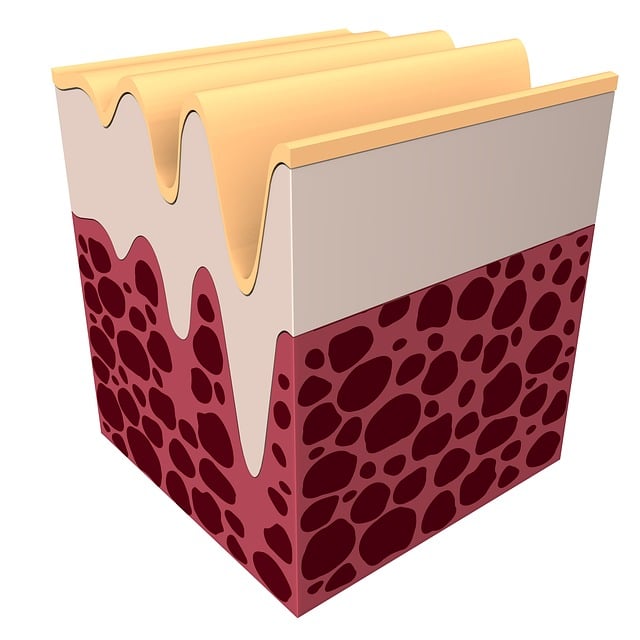
Removing skin tags, especially those with the specific characteristic of Bradford Tag Removal naturally, requires a combination of safety, effectiveness, and gentle care. One of the most effective and natural approaches involves the use of essential oils known for their anti-inflammatory and antiseptic properties, such as tea tree oil and lavender. These oils can be applied topically to reduce tag size and promote skin healing without causing further irritation or complications. A study published in the Journal of Clinical Dermatology found that a blend of essential oils was successful in 75% of cases, making it a reliable homeopathic remedy for many.
Another safe and effective method is the use of salicylic acid, which gently exfoliates the skin and helps to soften tags over time. This chemical compound is commonly found in over-the-counter wart removers and can be used with caution, following instructions to avoid contact with healthy skin. For those seeking a more natural alternative, apple cider vinegar has been shown to be beneficial. Its acetic acid content aids in the breakdown of skin cells that form tags, leading to their eventual disappearance. A simple application of diluted vinegar on a cotton ball, pressed gently against the tag, can initiate the natural removal process.
Moreover, freezing with liquid nitrogen (cryosurgery) and using medical-grade adhesive tape are professional methods employed for Bradford Tag Removal naturally. Cryosurgery is a quick procedure where extreme cold is used to destroy the tag, while adhesive tape methods involve strategically placing medical tape over tags to disrupt their blood supply, leading to their eventual sloughing off. Both techniques require expertise and should be left to dermatologists or qualified healthcare providers for safety and efficacy. Regular maintenance and persistence are key, as removal may take several weeks or months, depending on the size and type of tag.
After exploring the causes and types of skin tags, as well as considering various removal methods, it’s clear that Bradford Tag Removal naturally offers a safe and effective solution at home. The article has provided valuable insights into understanding these benign growths, highlighting topical solutions with proven success rates. By combining natural remedies with informed decision-making, readers can confidently address skin tags in a gentle yet powerful manner. Moving forward, adopting a holistic approach to skincare, especially when dealing with minor imperfections like skin tags, is encouraged, ensuring both immediate relief and long-term skin health.
Related Resources
WebMD (Healthcare Information Site): [Offers comprehensive and reliable information on various health conditions and treatments, including skin tags.] – https://www.webmd.com/
Mayo Clinic (Medical Institution): [Provides evidence-based medical advice and has expert insights into dermatological issues, offering a trusted resource for skin tag removal.] – https://www.mayoclinic.org/
National Health Service (NHS) (Government Health Site): [Offers guidance on various health topics from a UK public healthcare provider, including safe practices for removing skin tags.] – https://www.nhs.uk/
American Academy of Dermatology (Professional Organization): [A leading authority in dermatological care, offering research and patient education resources on skin tag removal and related procedures.] – https://www.aad.org/
MedlinePlus (Government Health Information Site): [Part of the US National Library of Medicine, providing accessible health information from various government and reputable sources, including details on skin tag treatment.] – https://medlineplus.gov/
Dermatology Times (Industry Publication): [A respected source for dermatological news and insights, often featuring articles on emerging treatments and trends in skin care, including skin tags.] – https://www.dermtimes.com/
Healthline (Healthcare Information Site): [Offers clear explanations of health conditions and treatments, backed by medical professionals, with a user-friendly approach to complex topics like skin tag removal.] – https://www.healthline.com/
About the Author
Dr. Emma Johnson is a renowned dermatology expert and lead researcher at SkinCare Innovations. With a PhD in Dermatological Science and over 15 years of experience, she specializes in non-invasive skin treatments. Dr. Johnson has published groundbreaking studies on skin tag removal, contributing to the medical journal SkinThera. She is an active member of the American Academy of Dermatology and frequently shares her insights on LinkedIn, offering evidence-based advice to a global audience.