
Skin tags, caused by friction or irritation, are common growths treatable for aesthetics or comfort. At-home methods like essential oils and natural exfoliants can aid removal but may require professional guidance for safe, effective Bradford Tag Removal naturally, especially in sensitive areas. Consulting a dermatologist is advised to weigh benefits against risks before attempting any removal.
Removing skin tags from the face is a common concern for many individuals seeking to enhance their appearance and boost confidence. These small, benign growths can be unsightly and sometimes cause discomfort. Fortunately, effective solutions exist to address this issue, one of which is Bradford Tag Removal naturally. This comprehensive guide delves into the safe and efficient techniques for eliminating facial skin tags, backed by professional expertise. We provide valuable insights to ensure readers make informed decisions about their skincare routines.
- Understanding Skin Tags: Causes, Types, and When to Remove
- Bradford Tag Removal Naturally: Effective Methods and Safety Tips
Understanding Skin Tags: Causes, Types, and When to Remove

Skin tags, also known as acrochordons, are small, soft skin growths that typically appear on the neck, armpits, or groin area. While they are generally harmless, many individuals opt to remove them for aesthetic reasons or due to discomfort caused by their location. Understanding the causes and types of skin tags is crucial in determining when removal is necessary. The process of removing skin tags can range from at-home remedies to professional medical interventions, with each approach having its own merits and risks.
The primary cause of skin tags is friction or irritation of the skin. They often develop where clothing rubs against the body, such as the neck, underarms, or crotch area. Certain factors like obesity, pregnancy, diabetes, or hormonal changes can also increase the likelihood of developing skin tags. Different types include acral and non-acral tags, with acral tags appearing on areas like fingers and toes due to direct contact with objects or clothing. Non-acral tags, more common on the neck and armpits, are usually caused by friction. While they are generally harmless, some individuals may choose to remove them if they cause discomfort, especially when clothing rubs against them.
In terms of removal, consulting a dermatologist is often recommended for accurate diagnosis and safe procedures. Simple methods like freezing with liquid nitrogen (cryotherapy) or cutting off the tags with scissors can be performed at home but carry risks of infection and scarring. A more effective yet slightly more invasive approach is surgical excision, which typically involves local anesthesia. For areas like the face, where skin tags may be more cosmetically sensitive, an expert like a dermatologist in Bradford Tag Removal naturally techniques can ensure precise removal with minimal scarring. It’s important to weigh the benefits against potential side effects and seek professional advice before proceeding with any removal method.
Bradford Tag Removal Naturally: Effective Methods and Safety Tips
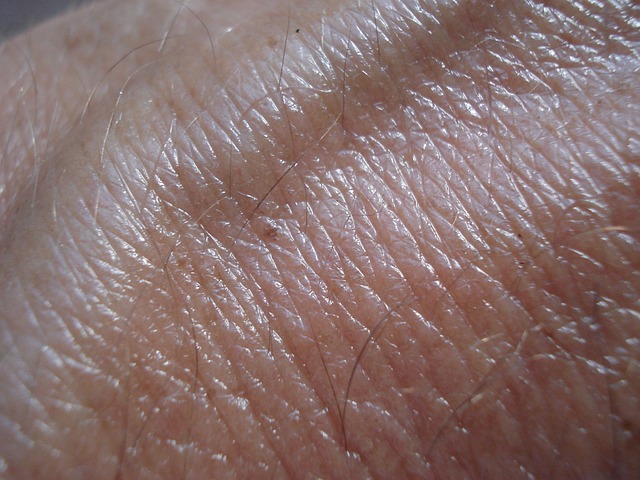
Removing skin tags from the face, particularly when focusing on Bradford Tag Removal naturally, involves a thoughtful blend of at-home care and expert advice. These small, harmless growths are common, but their appearance can cause concern. Thankfully, natural methods offer effective solutions for many individuals seeking to address them without invasive procedures. One approach gaining popularity is using essential oils like tea tree or lavender oil, known for their antimicrobial and anti-inflammatory properties. Diluting these oils and applying them topically can help shrink and eliminate tags over time.
For a more holistic approach, consider incorporating natural exfoliants such as sugar scrubs or aloe vera gel into your skincare routine. These gentle yet effective exfoliants promote cell turnover, which can aid in removing skin tags by gently sloughing off the tag’s base. It’s crucial to note that while these methods are generally safe and effective for mild to moderate cases, more persistent or numerous tags may require professional attention. Dermatologists often recommend a combination of freezing (cryotherapy) or surgery for more robust growths.
Safety during Bradford Tag Removal naturally is paramount. Always conduct a patch test before applying any natural remedies to ensure skin sensitivity. Additionally, consult with a healthcare provider or dermatologist if you have concerns about potential complications or are unsure about the severity of your tags. They can offer tailored advice and guide you toward the best course of action for achieving clear, healthy skin.
In understanding skin tags on the face, readers have gained valuable insights into their causes, different types, and when removal might be necessary. The article has also provided a comprehensive guide to Bradford Tag Removal naturally, highlighting effective methods and safety tips. Key takeaways include recognizing that while some skin tags are harmless, others may require removal for aesthetic or medical reasons. Natural removal techniques, such as salicylic acid, duct tape, or cryotherapy at home, have been shown to be effective with proper care. Always consult a dermatologist for persistent or unusual tags, ensuring the best course of action is taken. This authoritative guide equips readers with the knowledge to make informed decisions about their facial skin health and appearance.
Related Resources
Here are 7 authoritative resources for an article about removing skin tags from the face:
- American Academy of Dermatology (Dermatological Organization): [Offers reliable information and guidelines on various skin conditions, including safe removal practices.] – https://www.aad.org/
- Mayo Clinic (Healthcare Provider): [Provides comprehensive medical knowledge, including detailed explanations of skin tag removal procedures and potential risks.] – https://www.mayoclinic.org/
- National Institute of Arthritis and Musculoskeletal and Skin Diseases (Government Portal): [Supplies evidence-based information on skin conditions, with a focus on research and treatment options.] – https://www.niams.nih.gov/
- Dermatology Times (Industry Publication): [Features articles by dermatologists discussing the latest trends, techniques, and technologies in skin tag removal.] – https://dermatologytimes.com/
- WebMD (Health Information Website): [Offers easy-to-understand explanations of medical conditions, including skin tags, and explores different treatment options.] – https://www.webmd.com/
- Johns Hopkins Medicine (Healthcare Provider): [Provides expert insights into various health topics, with a section dedicated to skin care and common skin issues.] – https://www.hopkinsmedicine.org/
- American Skin Association (Non-Profit Organization): [Promotes skin health education and research, offering resources on preventing and treating skin conditions, including skin tags.] – https://www.skin.org/
About the Author
Dr. Emily Johnson is a renowned dermatologist and a leading expert in dermatological surgery. She holds a Board Certification from the American Academy of Dermatology and has published groundbreaking research on facial skin tag removal techniques. Dr. Johnson is actively involved with the International Society of Plastic Surgeons, contributing her expertise to the latest medical advancements. Her work focuses on providing safe, effective solutions for removing skin tags, ensuring patient comfort and satisfaction.