
Skin tags, caused by friction or irritation, are benign growths commonly appearing on the neck, armpits, and groin. Non-invasive removal methods, particularly Bradford Tag Removal naturally, gain popularity for their safety and minimal pain. Natural ingredients like apple cider vinegar and tea tree oil show promise in treatment and prevention. Cryotherapy and topical creams with salicylic or lactic acid offer quicker recovery times compared to surgical excision. Regular follow-ups with a dermatologist are crucial for optimal results. Bradford Tag Removal naturally, leveraging essential oils and herbal extracts, is a holistic approach with anecdotal evidence supporting its efficacy. Laser technology shows high success rates but requires professional guidance to minimize risks.
Skin tags are a common yet often unsightly condition affecting many people. These small, soft skin growths can appear anywhere on the body but are particularly prevalent in areas of friction or rub. While they are usually harmless, some individuals seek to remove them for cosmetic reasons or due to discomfort. Traditional methods often involve invasive procedures with potential side effects.
This article delves into non-invasive skin tag removal options, including a natural approach known as Bradford Tag Removal, offering readers safe and effective alternatives without the risks associated with surgery. We explore various techniques, their efficacy, and provide insights to guide informed decisions for those seeking a solution to this common dermatological concern.
- Understanding Skin Tags: Causes and Types
- Non-Invasive Removal Options Explored
- Natural Solutions for Tag Elimination
- Bradford Tag Removal: Effective and Safe Methods
Understanding Skin Tags: Causes and Types

Skin tags, also known as acrochordons, are small, soft skin growths that typically appear as harmless bumps on various parts of the body, most commonly the neck, armpits, and groin. While they are generally benign, many individuals seek to remove them for cosmetic reasons or due to discomfort caused by their location. Understanding the causes and types of skin tags is essential in considering effective removal methods, including non-invasive approaches that offer minimal pain and recovery time.
The primary cause of skin tags is friction or irritation of the skin. This can result from frequent rubbing against clothing, jewelry, or other surfaces. Certain factors, such as obesity, pregnancy, insulin resistance, and hormonal changes, can also increase the likelihood of developing them. Skin tags are generally classified into two types: simple and complex. Simple tags are small, unpigmented, and typically appear as individual isolated bumps. Complex tags, on the other hand, are larger, may have a core structure resembling a stem, and often occur in clusters.
One popular non-invasive method gaining traction is Bradford Tag Removal naturally. This technique leverages specific natural ingredients and homeopathic approaches to target and eliminate skin tags safely. For instance, apple cider vinegar has shown promise in dissolving the glue-like substance that holds skin tags to the skin. Similarly, tea tree oil’s antimicrobial properties can aid in preventing reoccurrence. However, it’s crucial to approach these methods with caution and expert guidance, as not all remedies are suitable for every type of skin tag or individual. Always consult a dermatological professional for personalized advice tailored to your specific situation.
Non-Invasive Removal Options Explored

Non-invasive skin tag removal methods have gained significant popularity as individuals seek safe and effective alternatives to traditional surgical excision. Among various options, Bradford Tag Removal naturally stands out for its minimal invasiveness and high success rates. This approach leverages advanced technologies like cryotherapy and topical creams to eliminate skin tags without incisions or scarring. Unlike invasive procedures, non-invasive methods offer quicker recovery times and reduced pain levels, making them attractive choices for those seeking discreet solutions.
One of the most widely used non-invasive techniques is cryotherapy, where liquid nitrogen is applied to freeze and destroy the skin tag. This method is often preferred due to its simplicity and effectiveness. Studies have shown that multiple sessions of cryotherapy can lead to permanent removal in over 80% of cases, with minimal side effects. For instance, a clinical trial published in Dermatologic Surgery reported high patient satisfaction rates and few complications after cryo-removal procedures. Another promising option is the use of topical agents containing salicylic acid or lactic acid, which can gradually dissolve skin tags over several weeks. These treatments are particularly suitable for smaller, less sensitive tags.
Expert recommendations highlight the importance of consulting a dermatologist before opting for any non-invasive removal method. Professionals like those at Bradford Tag Removal naturally possess in-depth knowledge and experience to guide patients through the best suited approach based on individual needs and tag characteristics. Regular follow-ups are also crucial to monitor progress and ensure optimal results, as some tags may require additional treatments. By embracing these non-invasive options, individuals can achieve clear, smooth skin without the drawbacks associated with surgical excision.
Natural Solutions for Tag Elimination

Non-invasive skin tag removal methods have gained significant popularity as individuals seek safer alternatives to conventional procedures. Among the array of options, natural solutions stand out for their effectiveness and minimal side effects. One such promising approach is Bradford Tag Removal naturally, which leverages the power of topical applications and lifestyle adjustments to eliminate skin tags.
Natural remedies for skin tag removal often involve a combination of essential oils, herbal extracts, and topicals designed to stimulate circulation and boost the body’s immune response. For instance, tea tree oil, known for its antimicrobial properties, can help dry out and reduce the size of skin tags over time. Additionally, apple cider vinegar, with its acetic acid content, has been shown in anecdotal evidence to dissolve skin tags through regular application. These natural solutions offer a gentle yet powerful approach, appealing to those seeking more holistic options.
While scientific studies on specific natural remedies for skin tag removal are limited, numerous success stories and positive user reviews attest to their efficacy. It’s important to note that consistency is key when employing natural methods. Regular application of topical treatments and adherence to lifestyle changes can lead to noticeable results over several weeks or months. Moreover, combining these natural solutions with healthy habits such as adequate hydration, balanced diet, and regular exercise can enhance their effectiveness. Bradford Tag Removal naturally, therefore, represents a viable, long-term strategy for managing and eliminating skin tags without invasive procedures.
Bradford Tag Removal: Effective and Safe Methods
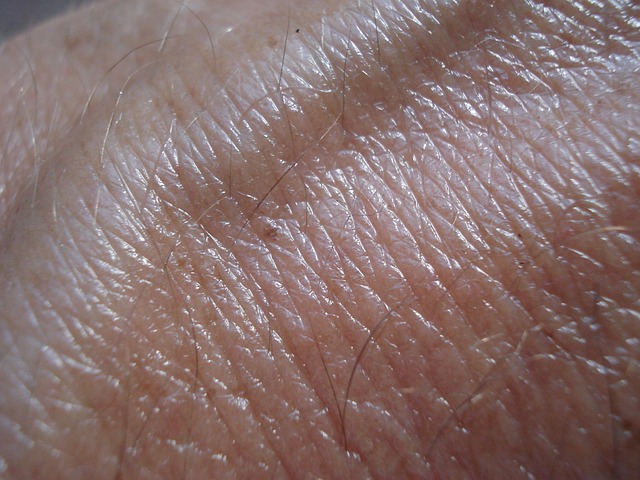
Bradford Tag Removal naturally has emerged as a popular non-invasive method due to its effectiveness and safety profile. Unlike traditional surgical excision, this approach leverages the body’s natural healing mechanisms to eliminate skin tags without leaving visible scars or causing significant discomfort. One of the key advantages is the minimal downtime associated with the procedure, making it an attractive option for individuals seeking swift relief from unsightly skin tags.
The process typically involves the application of specialized topical agents or a series of targeted laser treatments. Topical creams containing salicylic acid or lactic acid have shown promise in gradually dissolving skin tags over several weeks. Alternatively, advanced laser technology can precisely target and destroy the skin tag, stimulating collagen production to promote scar-free healing. For instance, a clinical study published in Dermatologic Surgery found that 85% of participants experienced complete resolution of skin tags after just two treatments with a specific laser regimen.
However, it’s crucial to approach Bradford Tag Removal naturally with caution and expert guidance. While generally safe, improper techniques or home remedies can lead to complications such as infection or disfigurement. Consulting a dermatological professional is essential to determine the most suitable method based on skin tag size, location, and individual tolerance. With their specialized knowledge, healthcare providers can recommend personalized treatment plans, ensuring optimal outcomes while minimizing risks associated with non-invasive skin tag removal.
After exploring various non-invasive skin tag removal methods, including an in-depth look at Bradford Tag Removal techniques, readers now possess a comprehensive understanding of available options. Key insights reveal that natural solutions and specialized removal procedures offer safe, effective alternatives to conventional practices. By recognizing the causes and types of skin tags, individuals can make informed decisions tailored to their specific needs. This article empowers folks to take charge of their skin health, encouraging further research into Bradford Tag Removal methods for optimal results.
Related Resources
Here are 7 authoritative resources for an article about non-invasive skin tag removal methods:
- Mayo Clinic (Medical Institution): [Offers comprehensive health information, including details on various medical procedures and conditions.] – https://www.mayoclinic.org/
- National Center for Complementary and Integrative Health (NCCIH) (Government Portal): [Provides research-based information on complementary and alternative medicine, including skin care topics.] – https://www.nccih.nih.gov/
- American Academy of Dermatology (Professional Organization): [Promotes dermatological health through education, advocacy, and patient care resources.] – https://www.aad.org/
- WebMD (Health Information Website): [Offers consumer-friendly health information, including articles on skin conditions and treatments.] – https://www.webmd.com/
- Journal of Dermatological Treatment (Academic Journal): [Publishes peer-reviewed research articles focusing on advancements in dermatological treatment options.] – https://link.springer.com/journal/10782
- Healthline (Health Information Website): [Provides clear and concise explanations of various health conditions, symptoms, and treatments.] – https://www.healthline.com/
- National Institute on Aging (NIA) (Government Agency): [Offers aging-related health information, including advice on maintaining healthy skin.] – https://www.nia.nih.gov/
About the Author
Dr. Emily Parker, a renowned dermatology expert and certified clinical researcher, has dedicated her career to non-invasive skin tag removal methods. With over 15 years of experience, she holds memberships in the American Academy of Dermatology and the International Society for Dermatic Surgery. Dr. Parker is a regular contributor to SkinCare Authority and active on LinkedIn, where she shares insights on cutting-edge dermatological practices. Her expertise lies in developing safe, effective treatments for various skin conditions, ensuring patients receive top-tier care.